In short. A prepaid SIM card bought in France is not an anonymous number. Activating it requires identifying the holder, the carrier keeps connection data that can be used in response to a judicial request, and the phone hosting the card transmits its own identifier to the network. A prepaid SIM hides your usual number from the recipient — not your identity from the network.
Information verified on 11 November 2026 on the public pages of Arcep, the CNIL, service-public.fr, Légifrance and cybermalveillance.gouv.fr, as well as the support pages of Orange, SFR, Bouygues Telecom, Free Mobile and Lycamobile. This article provides general information and is no substitute for advice from a legal professional.
Does a prepaid SIM card make a text message anonymous?
No, not in the way people hope. It gives you a brand-new number, unknown to the recipient, which is already a lot for a surprise or a cautious first approach. But it does not make you invisible: in France, a prepaid number is tied to an identity declared at activation, and that identity is the first thing handed over if a judge requests it.
That is the nuance almost everyone misses. There are two very different kinds of anonymity, and confusing them is costly:
- anonymity towards the recipient: they receive a message from a number they have never seen and have no way of tracing back to you on their own;
- anonymity towards the network and the courts: the carrier, for its part, knows which card sent which message, from which device and under which cell tower.
A prepaid SIM delivers the first, almost never the second. If your goal is simply to write without revealing your personal number, it works. If your goal is to be identifiable by no one, it does not live up to the promise attributed to it.
Can you still buy a prepaid SIM without giving your identity?
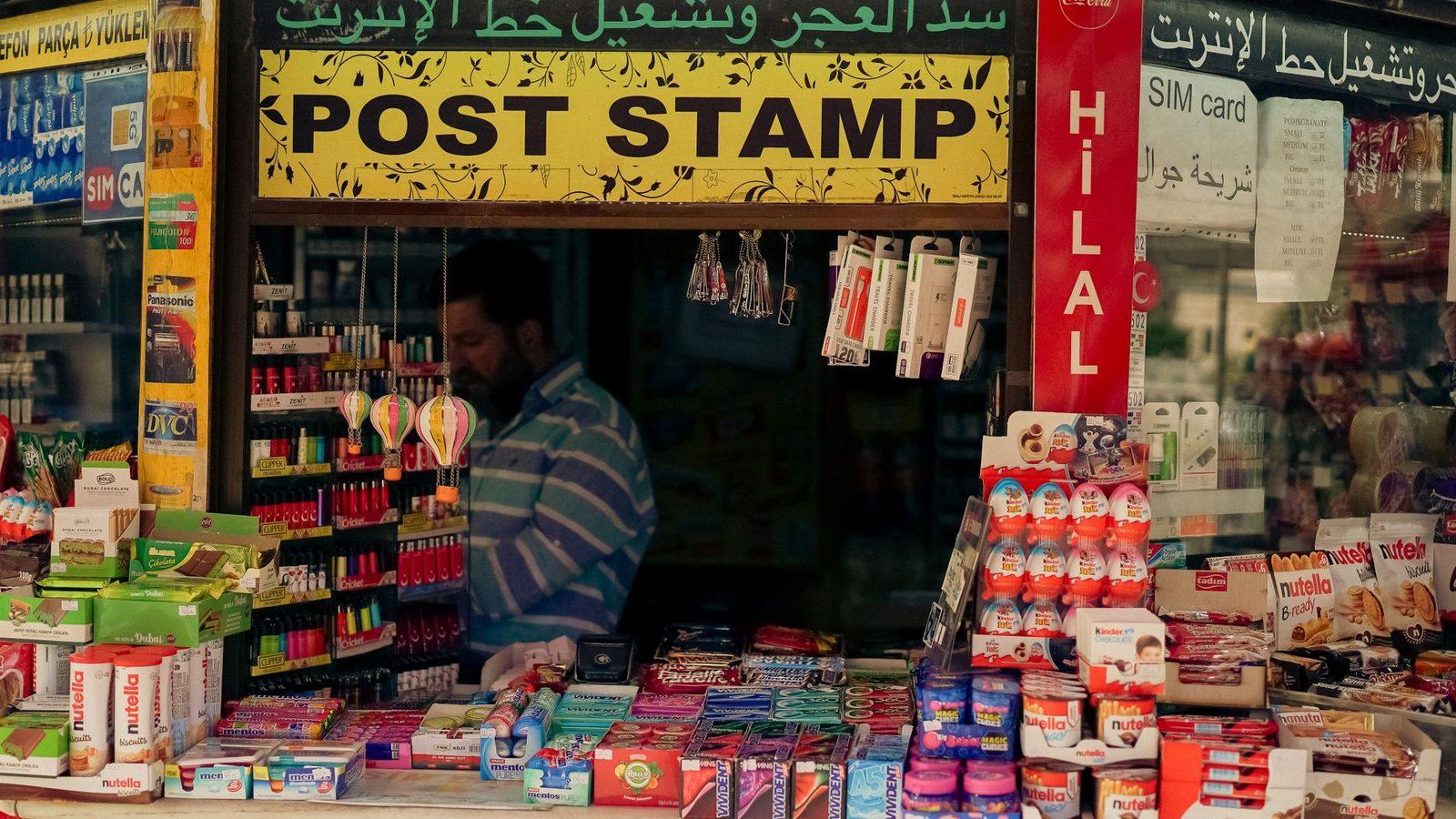
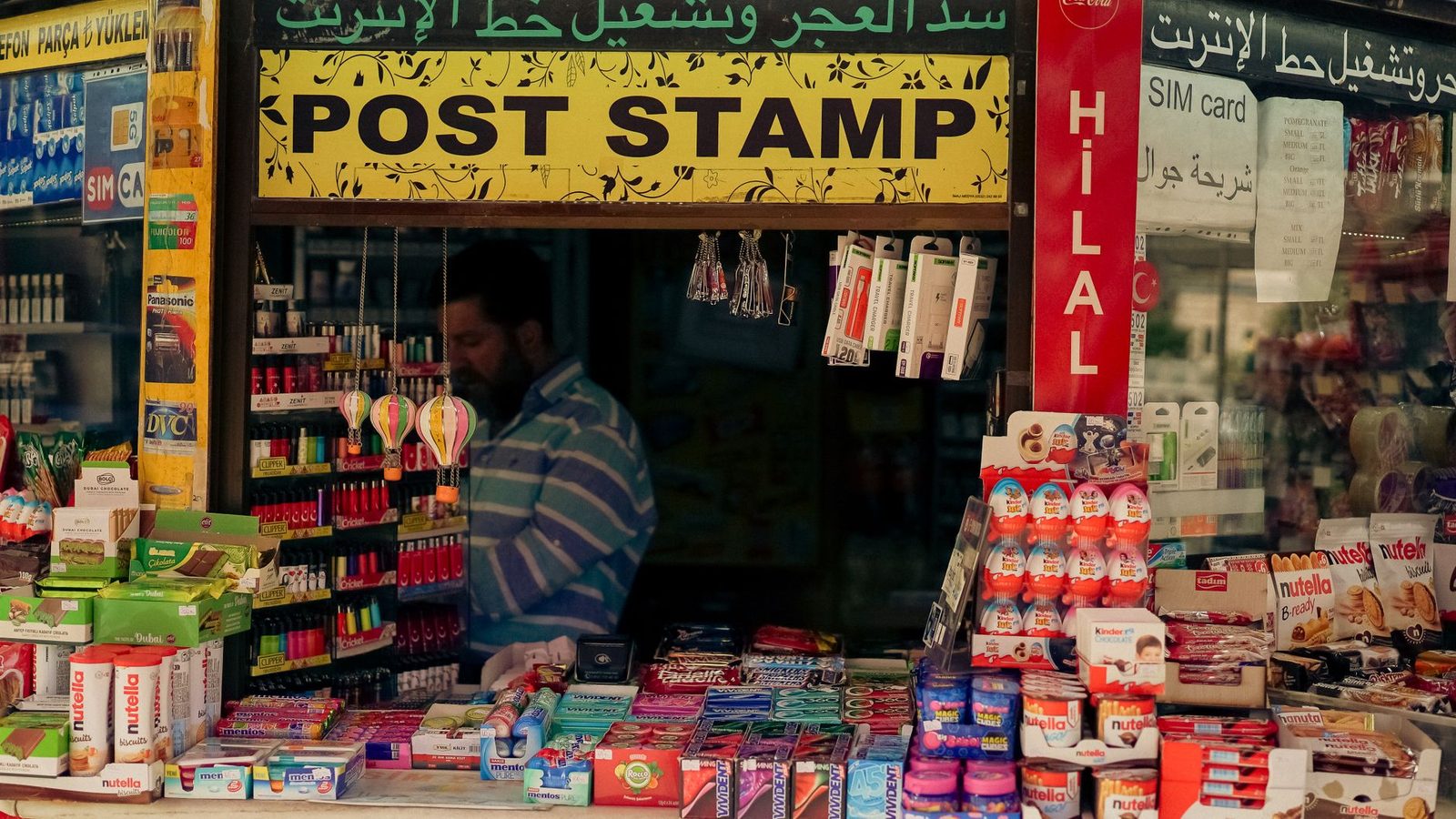
In practice, no. The sale may be anonymous; the activation is not. When the card is put into service, French carriers ask for a name, a date of birth, sometimes an ID document or a supporting document depending on their own procedure. A card bought at a tobacconist's but never identified stays a dead card: it sends nothing.
This requirement did not come out of nowhere. The French Post and Electronic Communications Code requires carriers to retain certain data allowing the user of an electronic communications service to be identified, and to keep it available to the judicial authorities within the framework provided by law. A French number sending traffic with no declared holder at all would be an anomaly in the chain, not a clever trick.
In concrete terms, the process looks like this:
- Purchase of the prepaid kit (supermarket, tobacconist's, carrier store, online). Cash payment is possible at a physical point of sale.
- Activation on the carrier's website or app, or by calling customer service: entering your identity, sometimes uploading a supporting document.
- Service activation of the number, generally within a few minutes to a few hours.
- Later top-ups: in cash with a top-up voucher, or by bank card — and in the latter case, your bank becomes a second point of attachment.
Paying in cash limits the banking trail. It does not remove the identification record requested at activation, nor the logging of traffic on the network side.
The detail that matters: if you top up by bank card, you are deliberately linking a "discreet" number to an account in your name. A top-up voucher bought with cash avoids that bridge. We cover what your payments say about you elsewhere, in our feature on the traces left by your purchases.
What exactly does the carrier record?
The holder's identification data, and the technical data attached to each message sent or received. Not the content of the text in normal circumstances, but everything around it — what we call metadata, and which is usually enough to tell a story.
| Item | Visible to the recipient | Retained by the carrier |
|---|---|---|
| Sender number (the prepaid number) | Yes | Yes |
| Holder's declared identity | No | Yes |
| IMEI of the phone used | No | Yes |
| Cell tower / sending area | No | Yes |
| Precise timestamp of sending | Partly (displayed time) | Yes |
| Message content | Yes | No (except under specific procedure) |
The most underestimated line is the IMEI, the device's serial number. It is transmitted to the network independently of the card. Putting a prepaid SIM into the phone you use every day creates a direct link between the "anonymous" number and your usual one: same device, same cells, often the same time patterns. That is exactly what a properly drafted judicial request looks for.
This logic echoes what we explained about dual SIM and secondary numbers: the network does not see two people, it sees one device with two cards.
Do you need a separate phone for it to be worth anything?
If you want the prepaid number not to be linked to your everyday use, yes. A dedicated device, switched on only when needed, breaks the match of IMEI and movements. It is the only part of the setup that hardware can genuinely improve.
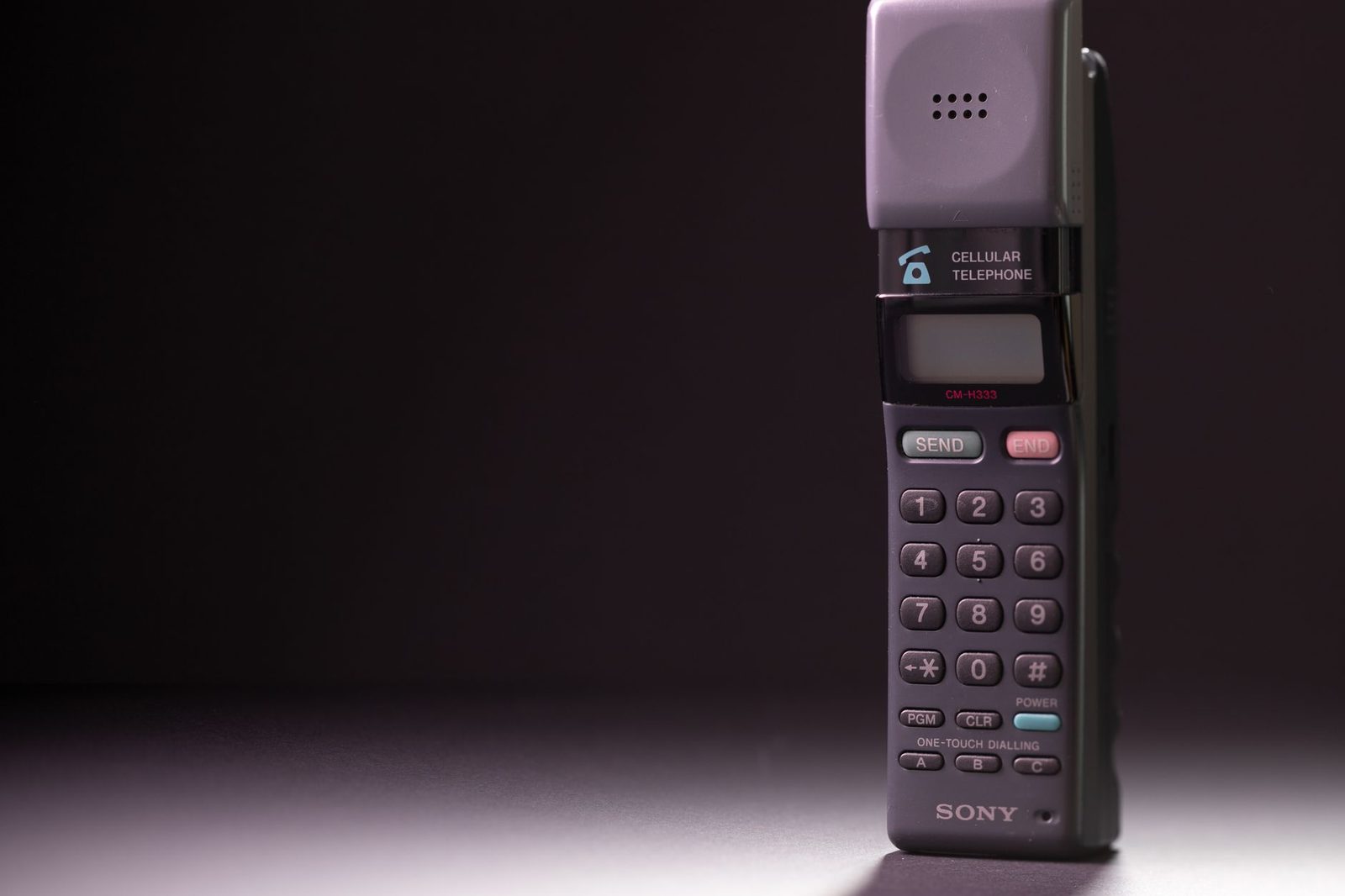
Many people use a basic mobile phone for this, the kind with physical keys and a battery that lasts a week: it has no Google account or Apple ID, installs nothing, syncs nothing, and will never send your message over RCS by surprise. It is precisely that functional poverty that is useful here — we explain why in the article on RCS and iMessage, the enemy of the anonymous text.
A few hardware points to plan for, without overdoing it:
- Prepaid kits often come in triple-punch format; a SIM card adapter avoids damaging the card if you need to move it from one device to another.
- The SIM tray comes out with the pin supplied, or failing that with a smartphone tool kit, safer than a bent paperclip.
- A phone you rarely switch on still loses charge: a USB-C wall charger left with the device avoids plugging it into your usual computer, which would create an extra trace.
Don't over-interpret it, though. A separate device protects you from a simple technical cross-check; it does not protect you from recognisable message content, a characteristic spelling mistake or a detail only two people know. We devoted an entire article to that pitfall: the way you write gives you away.
Prepaid SIM, secondary number, online service: which one to choose?
It depends entirely on what you want to protect. The prepaid SIM is the only option that gives you a real French mobile number able to receive a reply by standard SMS. The other solutions are quicker to set up, but each leaves a different kind of trace.
| Solution | Number displayed | Reply possible | Identification required | Main trace |
|---|---|---|---|---|
| Prepaid SIM card | Brand-new mobile number | Yes, by SMS | Yes, at activation | Carrier + IMEI |
| Secondary eSIM | Brand-new mobile number | Yes, by SMS | Yes, when subscribing | Carrier + single device |
| Online sending service | Short code or alphanumeric sender | Varies by service | Varies (account, payment) | Provider's logs |
| Encrypted messaging | Pseudonym / account | Yes, within the app | Often a phone number | Service metadata |
| #31# withholding | Nothing ("withheld number") | No for text messages | No | Carrier |
Two useful reminders about that last row, because it is the most common mistake. The #31# prefix hides your number on a call, not on a text message: dialled before a number to send a text, it has no effect and the message goes out with your number visible. We demonstrated this step by step in why #31# does not hide a text message. And whatever the channel, a recipient who wants to reply needs a return path: that is the whole point of our guide to the anonymous text with a reply.
If you are torn between these families of solutions, the site's /compare and /how-to pages set out each method and what it leaves behind.
What remains traceable, even with a prepaid card
Everything that does not depend on the card. This is the list to keep in mind before believing in invisibility:
- The identity declared at activation. It exists, it is retained, and it can be disclosed at a judge's request.
- The device's IMEI. It links the prepaid card to any other number that has already worked in the same phone.
- Cell-tower location. Every message passes through a cell, and that history maps out a home or workplace.
- The time of sending. A message always sent at 7.40 am on weekdays dramatically narrows the field of suspects — see our article on the time of day you send an anonymous text.
- The point of sale and the payment method. Security cameras, till receipts, top-ups by bank card: all links outside the mobile network.
- The content itself. An intimate detail, a dated reproach, a nickname: the best SIM in the world cannot erase an involuntary signature.
In other words, the prepaid card moves the problem without removing it. It is excellent for not giving out your personal number — to a second-hand buyer, a client, a stranger you meet once. It is illusory as a shield against judicial proceedings, and that is a good thing: it is what makes it possible to identify those behind harassment and threats.
Is it legal to use a prepaid SIM to write anonymously?
Yes, using a prepaid number is perfectly legal in France, and writing to someone without revealing your usual number is not an offence in itself. What is punishable is the content and the behaviour: harassment, threats, identity theft, repeated malicious calls.
The applicable texts are precise. Moral harassment through repeated messages is punished by article 222-33-2-2 of the French Criminal Code, threats by articles 222-17 and following, identity theft by article 226-4-1, and repeated malicious phone calls by article 222-16. In all these cases, technical anonymity is no protection: it is a circumstance to be clarified, and carriers do respond to judicial requests.
We set out the exact boundary between the lawful and the unlawful in is it legal to send an anonymous text in France, and the site's /faq page gathers the most frequent legal questions.
If you receive messages from a prepaid number
The good news, for the person on the receiving end, is exactly the flip side of the coin: a prepaid number is not untraceable. You will not be able to identify it yourself — no reverse directory or app will do it — but the courts can.
Three steps, in order:
- Keep everything. Delete nothing. Take full screenshots showing the number, date and time, and if possible your carrier's records. Our guide to building solid evidence describes the accepted method.
- Report. Unwanted and fraudulent text messages can be reported to 33700 (a reporting service operated by the industry) and cybercrime incidents on cybermalveillance.gouv.fr.
- File a complaint. At a police station, a gendarmerie, or in writing to the public prosecutor. It is the complaint that opens the way to judicial requests to the carrier, the only legal route to identifying the holder of a prepaid card.
To stop being contacted without waiting for the outcome of the procedure, the /ne-plus-etre-contacte page summarises the blocking and filtering steps.
Key takeaways
The prepaid SIM card is a good tool that is poorly understood. It gives you a brand-new number, separable from your ordinary life, useful for a classified ad, a resale, a one-off professional contact or a cautious first approach. It erases neither the identification requested at activation, nor the phone's IMEI, nor the cell-tower history, nor the content of what you write.
If your need is not to give out your personal number, it does the job perfectly, especially when housed in a dedicated device. If your need is to disappear, no card will be enough — and it is better to know that before pressing "send". To send a message without buying a card, the site's anonymous text sending service and the /how-to/send-an-sms-without-giving-your-number guide remain the simplest routes.
Updated 11 November 2026. Activation procedures, prepaid kit formats and pricing terms change: check the support page of the carrier concerned before buying anything.