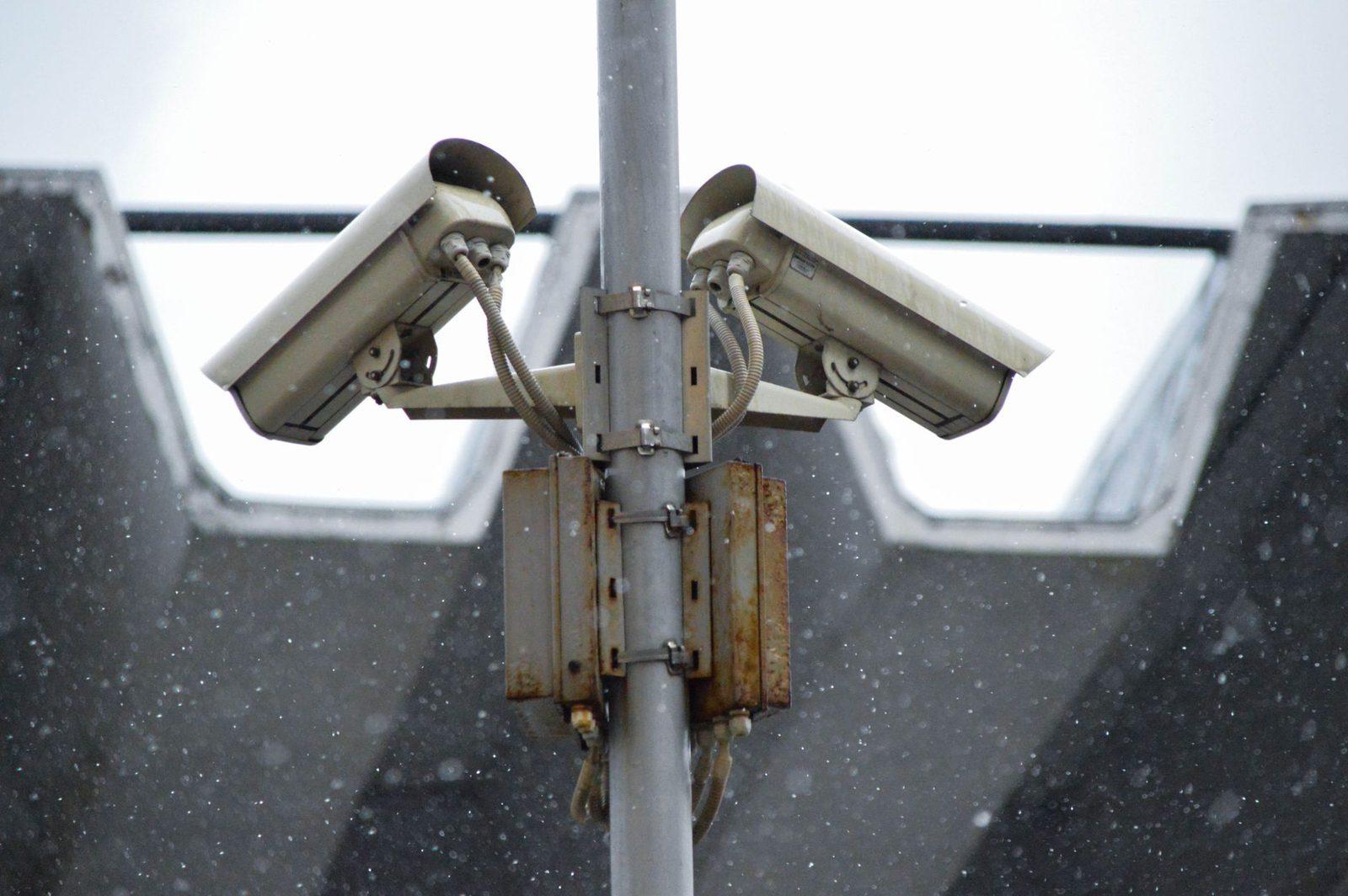
Introduction: The Cross-Referencing Trap
You have likely already set up digital barriers: a VPN to mask your IP, pseudonyms for your social networks, and perhaps even the use of anonymous SMS services for your sensitive communications. This is an essential start. But there is a flaw that few users consider: the convergence between your digital traces and your physical traces.
Anonymity is not a binary state (you either are or aren't anonymous); it is a matter of risk management. The major danger in 2026 is no longer just the interception of a message, but "cross-referencing." This is the moment when a mundane physical piece of data—a store receipt, a surveillance camera, a credit card payment—links up with digital data to unveil your real identity.

If you browse under a pseudonym but order your cybersecurity tools with your primary bank card and have them delivered to your home, you have created an indelible link. Digital identity is not an isolated bubble; it is anchored in the material world. To truly protect your privacy, you must learn to manage this interface.
The Porosity Between Physical and Virtual
Data cross-referencing works like a puzzle. Each isolated piece of information is insignificant, but together, they form a precise profile.
Payments: The Ultimate Identity Marker
The credit card is the most effective tracking device ever invented. Every transaction leaves a time-stamped and geolocated trace. When you purchase a service online, even via a proxy, the payment method instantly links your legal identity to your digital activity.
To limit this exposure, the use of prepaid cards or anonymized payment solutions is crucial. However, even then, vigilance is required. Using a minimalist physical wallet helps avoid carrying unnecessary identity documents during trips where you wish to remain discreet.
Biometrics and Urban Surveillance
By 2026, facial recognition and behavioral analysis (the way you walk, your posture) are being massively integrated into urban infrastructure. As the CNIL regularly highlights, the massive collection of biometric data in public spaces poses major risks to anonymity.
The idea is not to live in constant paranoia, but to understand that your face has become a digital identifier. In certain high-confidentiality contexts, using simple accessories like thick-rimmed glasses or a hat can disrupt recognition algorithms, although the effectiveness of these methods is decreasing against the most recent AI.
Strategies for Hybrid Compartmentalization
To prevent your physical traces from betraying your digital identities, you must apply the principle of compartmentalization not only to your software but also to your objects.
1. Dedicated Hardware
A classic mistake is using the same device for professional life, private life, and anonymous activities. Even with different user profiles, data leaks at the hardware level (MAC address, unique processor identifiers) are possible.
The ideal is to own a device dedicated to anonymity, completely separate from your legal identity. To protect this device from prying eyes in transport or cafes, a screen privacy filter is a simple and effective investment to prevent "shoulder surfing."
2. Managing Deliveries and Addresses
The postal address is one of the most frequent breaking points of anonymity. Receiving a package linked to a pseudonym at your real home cancels out any encryption effort.
To mitigate this, several solutions exist:
- Pickup points: These allow you to avoid giving your exact address, although an ID is often required for collection.
- PO Boxes: More expensive, but they create a layer of physical separation between your living space and your activities.
- Forwarding services: Useful for international orders, they allow you to mask the origin and final destination.
3. Material Trace Hygiene
We often forget that we leave physical traces. A store receipt sometimes contains information about the payment method. A printed document can contain invisible metadata (the "tracking dots" of some laser printers that allow the machine that produced the document to be identified).
For those handling sensitive documents, the use of a cross-cut shredder is indispensable. Throwing away simply torn paper is an invitation for data reconstruction.

The Risk of "Behavioral Leaks"
Technical anonymity (VPN, Tor, anonymous SMS) is one thing; behavioral anonymity is another. This is where artificial intelligence becomes formidable.
Stylometry: Your Writing is a Fingerprint
AI can now identify a user through their way of writing: punctuation, vocabulary choice, recurring mistakes, and sentence structure. This is called stylometry. If you write the same way on your official LinkedIn account and on an anonymous forum, a language model can establish a correlation with a high degree of certainty.
To counter this, some users adopt a different linguistic "persona" for each identity: changing tone, using an automatic translator to rephrase sentences, or intentionally modifying their syntax.
Connection Habits
The time you connect is a data point. If you systematically post under a pseudonym at 6:30 PM, right after office hours, and live in a small town, the circle of suspects narrows drastically. True anonymity requires a certain irregularity or the use of scheduled publishing tools.
Summary: Hybrid Protection Checklist
To ensure the physical world does not break the digital shield, here are the essential checkpoints:
| Leak Vector | Digital Solution | Physical Solution |
|---|---|---|
| Payments | Cryptocurrencies / Virtual Cards | Cash / Prepaid Cards |
| Location | VPN / Proxy / Tor | Avoid smartphones in sensitive areas |
| Identity | Pseudonyms / Disposable Emails | PO Boxes / Pickup points |
| Visibility | Data Encryption | Privacy Filter / Neutral Clothing |
| Documents | Metadata Removal | Document Shredder |
Conclusion: Anonymity as a Discipline
Total anonymity is a myth, but drastically reducing its exposure surface is an achievable goal. The key lies in consistency. It is useless to invest in cutting-edge software if one neglects the management of paper waste or payment habits.
Protecting your privacy in 2026 means accepting that we are hybrid beings. Every interaction with the real world is a potential data point. By applying a compartmentalization discipline that encompasses both your bits and your atoms, you regain control over the image you project to the world, and more importantly, the one you hide.