Introduction: A Major Cleanup of Our Inboxes
Since the beginning of 2026, French users have noticed a significant change in the nature of the messages they receive. While we were once flooded with SMS from hidden numbers or opaque alphanumeric IDs, a series of legislative and technical measures is redefining the rules of the game. The goal is clear: to end the era of the digital "Wild West" where abusive marketing and smishing attempts blended together in anonymity.
The rollout of new rules on number display, coupled with the strict ban on non-consensual telephone and SMS marketing, creates a sharper line between protective anonymity (used for privacy or health) and commercial anonymity, which has become illegal in many cases. For the user, the question is no longer just "Who is sending me this message?", but "Does this message have the right to exist?".
-girl-typing-phone.jpg?auto=compress&cs=tinysrgb&dpr=2&h=650&w=940)
This regulatory turning point, supported by the CNIL and relayed by the Service Public portal, aims to give control back to citizens. We will analyze how these developments impact SMS sending and how to distinguish a legitimate anonymous messaging service from a fraudulent commercial practice.
The Ban on Non-Consensual Marketing: A Major Turning Point
2026 marks the rigorous implementation of laws banning non-consensual telephone and SMS marketing. For years, companies used SMS gateways to send thousands of messages with hidden senders or brand names, thereby bypassing opt-out lists like Bloctel.
The End of "Implicit Consent"
New regulations stipulate that a user's silence no longer constitutes acceptance. For a company to send a commercial SMS, it must now prove "free, specific, informed, and unambiguous" consent. Using hidden numbers to bypass these rules is now heavily penalized.
The Role of Operators and Gateways
Mobile network operators are now required to implement stricter filters. If a sender uses a gateway to send mass messages without clear identification or proof of consent, the message may be blocked before it even reaches the recipient. This is a direct response to the proliferation of scams reported by Cybermalveillance.gouv.fr.
New Number Display Rules: Imposed Transparency
One of the most visible changes concerns the display of phone numbers. To combat scams and harassment, display rules are evolving to limit the use of "hidden" numbers in a commercial context.
| Message Type | Old Rule (Before 2026) | New Rule (2026) |
|---|---|---|
| Commercial SMS | Alphanumeric ID possible (e.g., PROMO) | Identifiable number or clear identification required |
| Administrative SMS | Short or hidden number | Verified official identification |
| Private/Anonymous SMS | Masking possible via third-party services | Remains possible for privacy (non-commercial use) |
Why Avoid Commercial Anonymity?
Anonymity is a fundamental right for private life, but it cannot be a right for marketing. By requiring the display of a number or a verified ID, the state allows users to block abusive senders more easily and assists authorities in tracing fraud networks.
Distinguishing Legitimate Anonymity from Commercial Fraud
Given these changes, it can be confusing to know if an anonymous SMS is "normal" or a legal violation. Here are the criteria to tell the difference.
Legitimate and Protective Use
Sending an anonymous SMS remains perfectly legal and is even recommended in certain cases:
- Victim Protection: Sending a report without exposing oneself.
- Public Health: As seen with STI prevention services, where anonymity is a key to receiving care.
- Professional Confidentiality: Communicating sensitive information without revealing a personal identity.
In these cases, anonymity serves the dignity or security of the individual. There is no intent to sell or manipulate financially.
Warning Signs of a Fraudulent SMS (Smishing)
Conversely, an SMS that claims to be anonymous or comes from an unusual number should be considered suspicious if it exhibits the following characteristics:
- Artificial Urgency: "Your account will be blocked in 24 hours."
- Incentive to Click: A shortened URL link (bit.ly, t.co) leading to a site imitating a government agency or a bank.
- Financial Promises: Tax refunds, lottery winnings, or unexpected social aid.

Recourses in Case of Non-Compliance
If you continue to receive non-consensual marketing SMS or malicious anonymous messages, several options are available to you in 2026.
Official Reporting
The first reflex should be reporting. The Sygnal platform or the 33700 service (the short number for reporting SMS spam) remain the preferred channels. This data allows authorities to regulate the SMS gateways that permit illegal traffic.
Recourse to the CNIL
For any breach relating to the processing of your personal data (such as using your number without consent), a complaint to the CNIL is possible. The CNIL has strengthened its sanctioning powers against companies that ignore data deletion requests.
The Penal Framework for Harassment
It is important to remember that technical anonymity is not legal anonymity. In cases of SMS harassment, even if the number is hidden, law enforcement can, via a judicial requisition, obtain the sender's real identity from the operator or the SMS gateway provider. Anonymity protects you from the public eye, not from the law.
Conclusion: Toward a Balance Between Discretion and Security
The evolution of the legal framework in 2026 does not aim to eliminate the possibility of sending discreet messages, but to clean up the communication space. Anonymous SMS, when used as a tool for privacy protection or health, retains all its value and legitimacy.
However, zero tolerance for non-consensual marketing and stricter display rules mark the end of an era where companies could hide behind digital masks to solicit consumers. By staying informed and vigilant, and by using reporting tools, we all contribute to making our smartphones less intrusive and more secure.
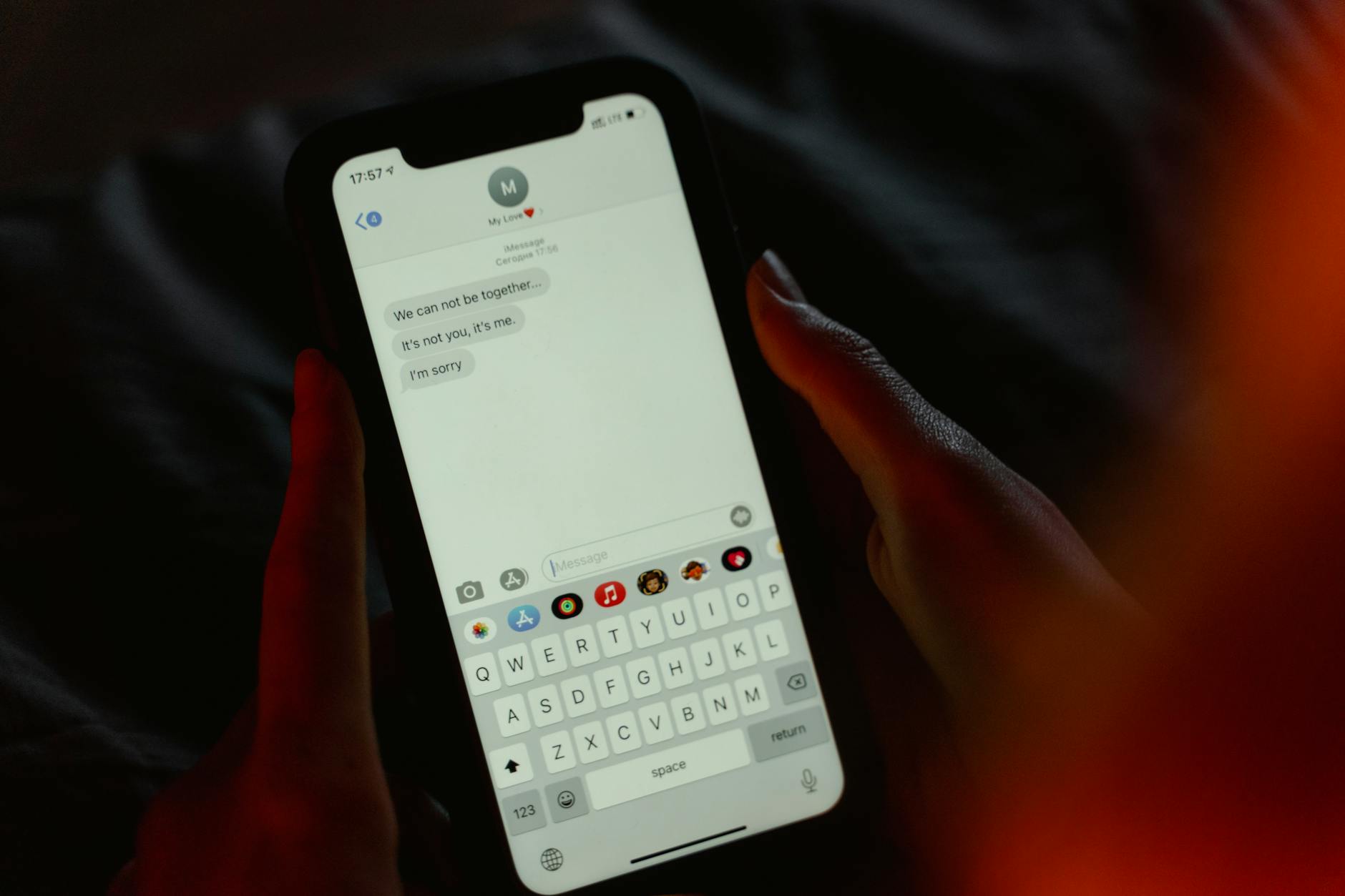
The golden rule remains the same: if an anonymous message asks for urgent action, a payment, or an ID, do not click on anything. Discretion is a right; fraud is a crime.